
Walking is one of the most familiar forms of movement, yet its role in long-term health is often underestimated. A short walk that once felt incidental can quietly shape energy, balance, and mobility over time.
For many adults, especially after 60, walking does not require planning or motivation. It tends to happen naturally as part of daily life — moving through the house, stepping outside, or running simple errands.
Rather than being about fitness or performance, walking often works best when it remains steady, comfortable, and repeatable.
Why Movement Feels Different After 60
As the body ages, recovery time often changes. Activities that once felt easy to bounce back from may now feel more taxing.
At the same time, long periods of sitting tend to have a greater impact. Stiffness, reduced circulation, and changes in balance can become more noticeable when movement is inconsistent.
Many health organizations describe regular, low-impact movement as one of the most reliable ways to support mobility and independence with age.
MedlinePlus: Exercise and Physical Fitness
Why Walking Works So Well
Walking engages muscles and joints without placing unnecessary stress on them.
Because it is weight-bearing yet low-impact, walking supports strength, circulation, and coordination while remaining gentle enough to recover from easily.
For many people, walking also feels mentally accessible. It does not require instruction, equipment, or a specific environment to begin.
Consistency Matters More Than Intensity
The health benefits of walking tend to come from regularity rather than effort.
Short walks done most days often feel more supportive over time than sporadic intense workouts. A 15-minute walk after lunch may not feel dramatic in the moment, but over months it can quietly support digestion, reduce stiffness, and improve sleep quality.
Walking at a pace that feels natural helps the habit remain sustainable, which is often more important than distance or speed.
Balance and Confidence Over Time
Balance and coordination are closely tied to everyday movement patterns.
Regular walking reinforces these patterns by engaging stabilizing muscles and supporting spatial awareness. Over time, this can help maintain confidence in daily activities.
Walking in Everyday Life
Walking does not need to be a separate activity to be effective.
Many people find it easier to walk consistently when it connects to existing routines — after meals, during morning light, or as part of an evening wind-down.
Breaking movement into shorter sessions throughout the day often feels more manageable than setting aside a single block of time.
A Note on Walking Shoes
Walking itself does not require special equipment, and many people walk comfortably in shoes they already own.
Over time, however, footwear can feel more noticeable — particularly in terms of comfort, stability, or fatigue. When people look for walking shoes after 60, they are often responding to these subtle changes rather than seeking performance.
Features such as cushioning, sole stability, toe space, shoe weight, and ease of putting shoes on and taking them off can become more relevant with regular walking. Comfort and fit remain highly individual.
Quality Options With Features That Matter After 60
As walking becomes more regular, footwear often becomes more noticeable. The shoes below reflect different features that may matter over time, depending on how and where someone walks.
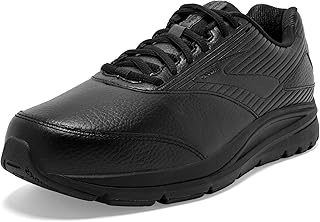
Brooks Addiction Walker 2
Some walkers are drawn to footwear that feels solid and predictable underfoot. A firmer sole can feel grounding, particularly on uneven surfaces or during longer walks. This type of support may feel reassuring for those who prefer a consistent, steady experience.
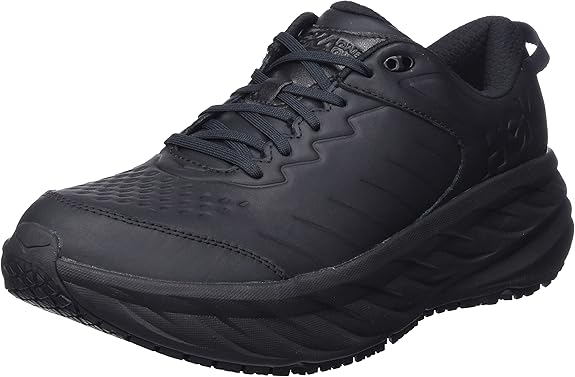
HOKA Bondi SR
For others, comfort is most noticeable in how softly the foot meets the ground. A thicker midsole can feel gentler on hard surfaces, which some people appreciate during longer or more frequent walks.
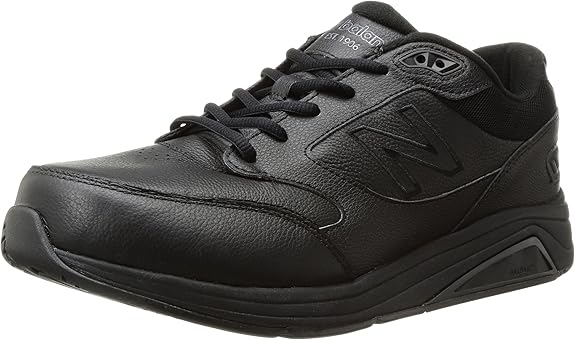
New Balance 928v3
Many walkers look for something that sits between firmness and softness. Features such as a supportive heel, roomier toe box, and overall stability can make daily walking feel easier and more predictable.
If your current shoes already feel comfortable and stable, there is no need to change them. Shoes do not create the habit — walking does.
Some links support this site at no extra cost to you.
The Bottom Line
Walking is one of the simplest and most reliable movement habits for adults over 60.
The benefits come from consistency, not intensity. Regular, low-stress walking supports mobility, circulation, balance, and long-term independence.
Tomorrow, consider adding one short, unhurried walk to your day — and notice how it feels. Over time, simple steps often add up to lasting steadiness.